
AI in Advertising
April 9, 2026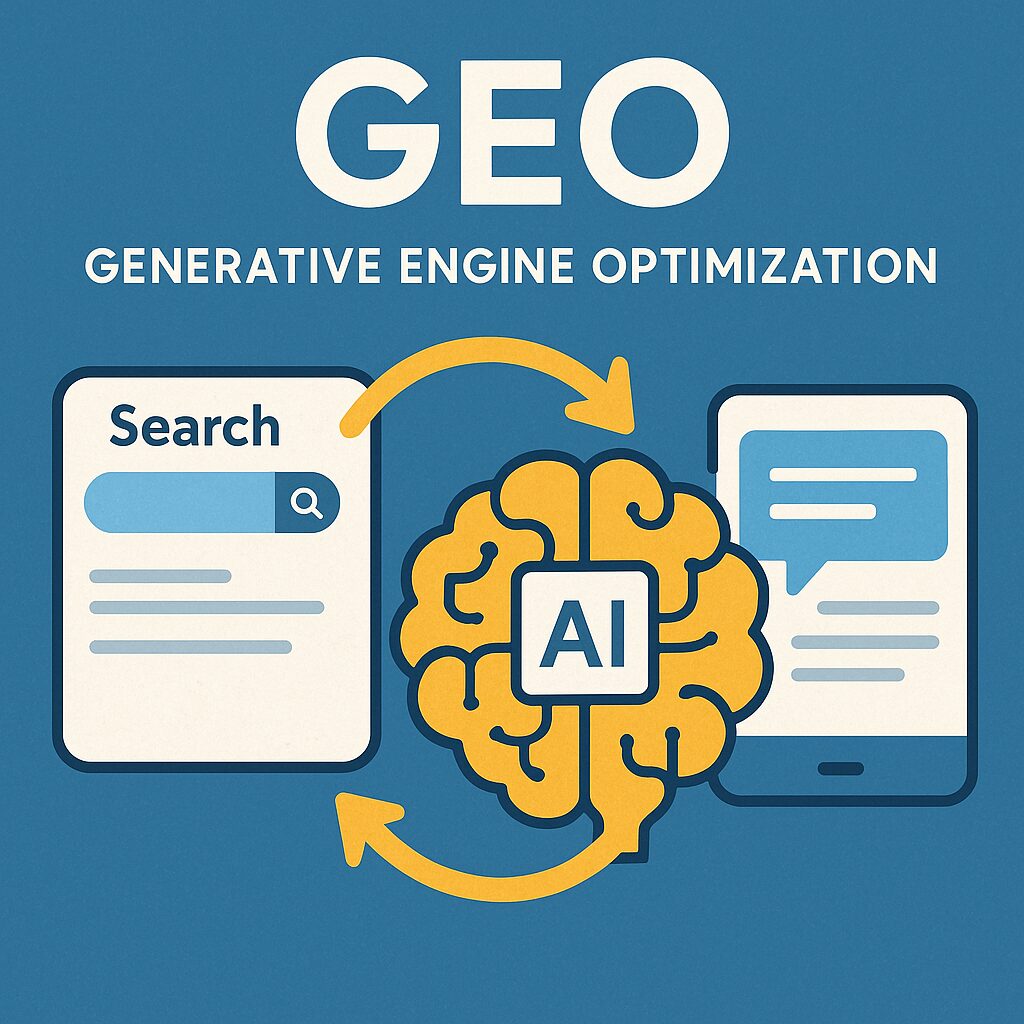
 In the rapidly evolving landscape of digital search, traditional search engines are continually being refined to meet the growing demands for more accurate, personalized, and context-aware results. As technology advances, a new paradigm emerges—GEO, or Generative Engine Optimization—aims to revolutionize how users discover information by integrating generative AI capabilities into search processes. This innovative approach promises to deliver more intuitive, relevant, and comprehensive search experiences, setting the stage for the next generation of search engines that are smarter and more aligned with user intent.
Exploring GEO: The Future of Search Powered by Generative Engine Optimization
GEO represents a transformative shift in the realm of search technology, combining the strengths of generative AI models with traditional SEO principles. Unlike conventional search engines that primarily rely on keyword matching and link analysis, GEO leverages advanced generative algorithms to synthesize information, answer complex queries, and provide personalized insights. This approach enables the creation of dynamic, conversational interactions where the search engine acts more like an intelligent assistant, capable of understanding nuanced questions and delivering tailored responses. As a result, GEO enhances the depth and relevance of search results, making information retrieval more natural and human-like.
The core of GEO lies in its ability to generate context-aware content that adapts to individual user needs. By analyzing user behavior, preferences, and the intent behind queries, GEO can produce customized summaries, detailed explanations, and even creative content that aligns with the user’s specific goals. This personalization not only improves user satisfaction but also reduces the need to sift through multiple links and sources. Furthermore, GEO’s generative capabilities facilitate real-time updates and iterative learning, ensuring that the information provided remains current and accurate, which is vital in fast-changing domains such as news, technology, and health.
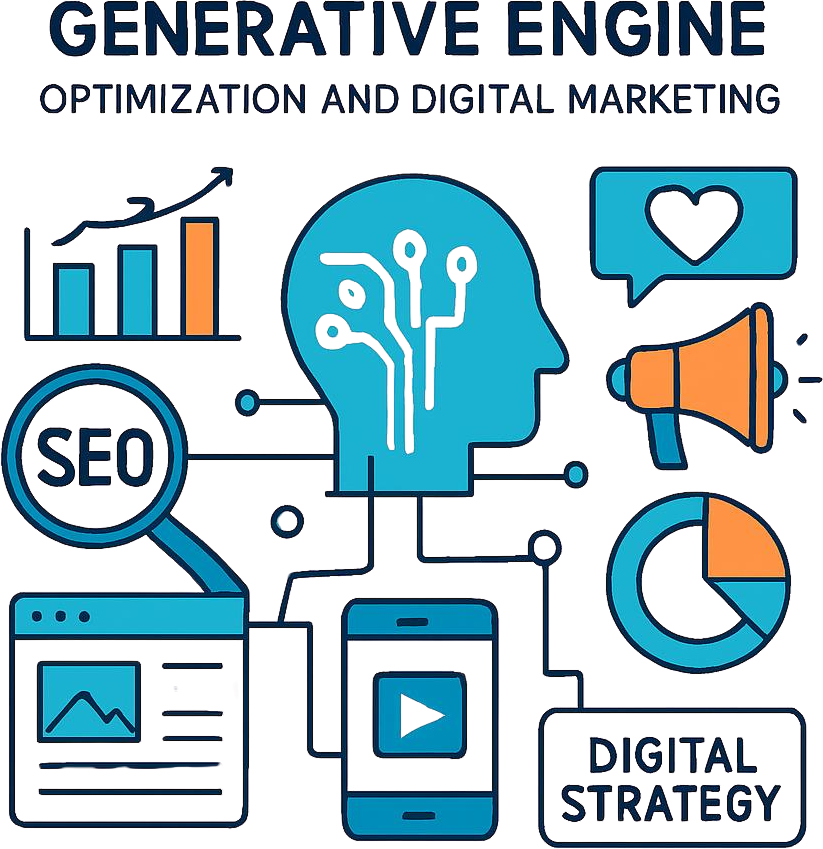
From an SEO perspective, GEO introduces new strategies for content optimization. Traditional SEO practices focus on keyword placement and backlinking, but with GEO, the emphasis shifts toward creating high-quality, context-rich content that aligns with generative AI understanding. Marketers and content creators must now consider how their material can be effectively interpreted and synthesized by AI models to ensure visibility and relevance. Additionally, the integration of structured data and semantic markup becomes crucial, as it helps generative engines better comprehend and utilize content, ultimately improving search rankings and user engagement.
Implementing GEO also involves addressing challenges related to transparency and bias. As generative models produce human-like content, ensuring the accuracy, neutrality, and ethical use of information becomes paramount. Developers and organizations must establish guidelines and validation mechanisms to prevent misinformation and promote trustworthiness. Moreover, as GEO evolves, it is expected to foster more collaborative interactions between humans and AI, where users can refine queries and receive increasingly refined, personalized outputs, creating a more engaging and effective search ecosystem.
In conclusion, GEO signifies a significant leap forward in the evolution of search technology, blending the power of generative AI with optimized content strategies to deliver smarter, more personalized results. As this technology matures, it has the potential to reshape how we access and interact with information, making search more intuitive, efficient, and aligned with individual needs. The future of search is poised to become more human-centric, driven by innovations like GEO that prioritize understanding, relevance, and adaptability at every step.
Contact RLS Group for an evaluation of your current search engine optimization strategy.
904-616-1542